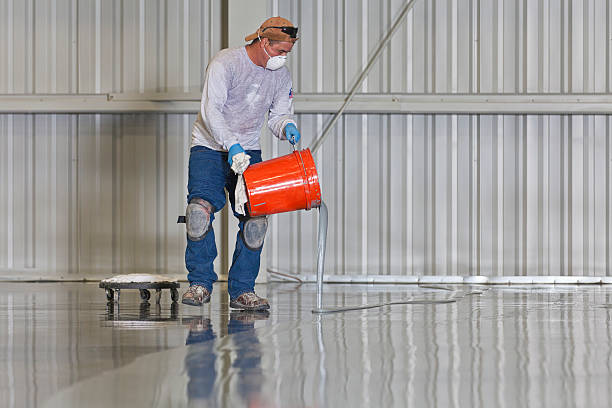
In today’s design driven world, flooring is no longer just a surface to walk on. It plays a major role in durability, safety, hygiene, and visual appeal. Homeowners, architects, and business owners are increasingly turning to modern floor solutions that combine performance with aesthetics. Among these options, seamless epoxy flooring stands out for its smooth finish, resistance to wear, and ability to transform dull spaces into clean, contemporary environments. This guide breaks down how this flooring system works, where it performs best, and how you can get the most value from it.
What Is Seamless Epoxy Flooring
Seamless epoxy flooring is a resin based floor coating applied directly over concrete or similar substrates. Once cured, it forms a continuous, joint free surface that is tough, non porous, and visually appealing. Unlike tiles or vinyl planks, there are no grout lines or seams where dirt and moisture can hide.
Key features include:
-
Exceptional resistance to chemicals, stains, and abrasion
This type of flooring is often chosen for environments that demand cleanliness and durability, such as hospitals, food processing units, garages, and high traffic commercial spaces. It also adapts well to modern residential interiors like kitchens, basements, and open plan living areas.
Where Seamless Epoxy Flooring Works Best
Choosing the right floor depends on how the space is used. Seamless epoxy flooring performs particularly well in areas that face heavy foot traffic, moisture exposure, or strict hygiene requirements.
Seamless Epoxy Flooring in Commercial Environments
In commercial and industrial settings, seamless epoxy flooring offers both functional and financial benefits. For example, warehouses benefit from its ability to handle forklift traffic without cracking, while retail stores appreciate the sleek, polished appearance that elevates customer experience. In medical clinics, the seamless surface helps maintain sanitation standards because it does not trap bacteria.
Examples of popular commercial uses include manufacturing plants, showrooms, parking areas, and laboratories. In each case, the flooring delivers a balance of resilience and professional appearance.
Seamless Epoxy Flooring for Residential Interiors
Homeowners are increasingly adopting epoxy flooring for contemporary interiors. A minimalist kitchen with a glossy epoxy floor can look striking and modern. In basements, epoxy provides moisture resistance that protects against damp conditions. Even in garages, the coating resists oil stains and tire marks, keeping the space cleaner and easier to maintain.
A practical example is a family home that converts a basement into a home gym. Epoxy flooring offers shock resistance, easy cleaning after workouts, and a smooth surface that supports heavy equipment.
Benefits That Make Epoxy a Smart Investment
The popularity of epoxy flooring is driven by its long list of advantages. It is cost effective over time because of its durability and low maintenance needs. The surface is easy to clean, requiring only mild detergents and occasional polishing to retain its shine.
Another benefit is design flexibility. Epoxy coatings can be customized with colors, flakes, or metallic finishes to suit branding in commercial spaces or personal taste in homes. This makes it possible to create unique floor designs that still deliver industrial grade performance.
Installation and Maintenance Considerations
Proper installation is key to long term performance. The concrete base must be thoroughly prepared, cleaned, and leveled before applying epoxy layers. Moisture testing is essential to avoid adhesion problems later.
Pro Tip: Always hire certified installers and request a moisture barrier layer in humid regions to extend the life of your epoxy floor.
For maintenance, avoid harsh acids and abrasive tools. Regular sweeping and damp mopping are usually enough to keep the surface looking new. Small scratches can be buffed out, and recoating every few years can refresh the finish in high traffic areas.
Conclusion
Seamless epoxy flooring offers a powerful combination of strength, hygiene, and modern aesthetics. From industrial warehouses to stylish homes, it adapts to diverse environments while delivering reliable performance. By understanding where it works best, how to install it properly, and how to maintain it over time, you can make a confident investment in a flooring solution that enhances both function and design.
Author

Ashley@spinnakermicrowave.com
Related Posts

From First Look to Final Shot: The Complete Photography Guide for Costa Rica Couples
Costa Rica has become a global hub for love stories told through extraordinary photography. From destination weddings on Pacific beaches to intimate...
Read out all
Step-by-Step Guide to Getting an ESA Letter Online Without Confusion
Accessing mental health support has become more flexible with the introduction of online services. One of the most efficient methods is applying...
Read out allExploring the Creative Potential of Virtual Environments with VRSpy Studio
Virtual reality has rapidly become one of the most influential technologies shaping digital experiences today. By allowing users to interact with immersive...
Read out all
Medical Science Liaison Guide to Extracting Insights from Conferences
Medical conferences remain one of the most important sources of scientific intelligence for pharmaceutical and biotechnology companies. These events gather researchers, clinicians,...

Strategic Legal Counsel from the Best Law Firm
In the fast-paced world of international commerce, having a reliable legal partner is not just a luxury—it is a fundamental necessity for...
Read out all
3patti Real Cash Games: A Smart Way to Play Teen Patti
Teen Patti has always been a favorite card game in India. From festive gatherings to friendly get-togethers, this three-card game has entertained...
Read out all