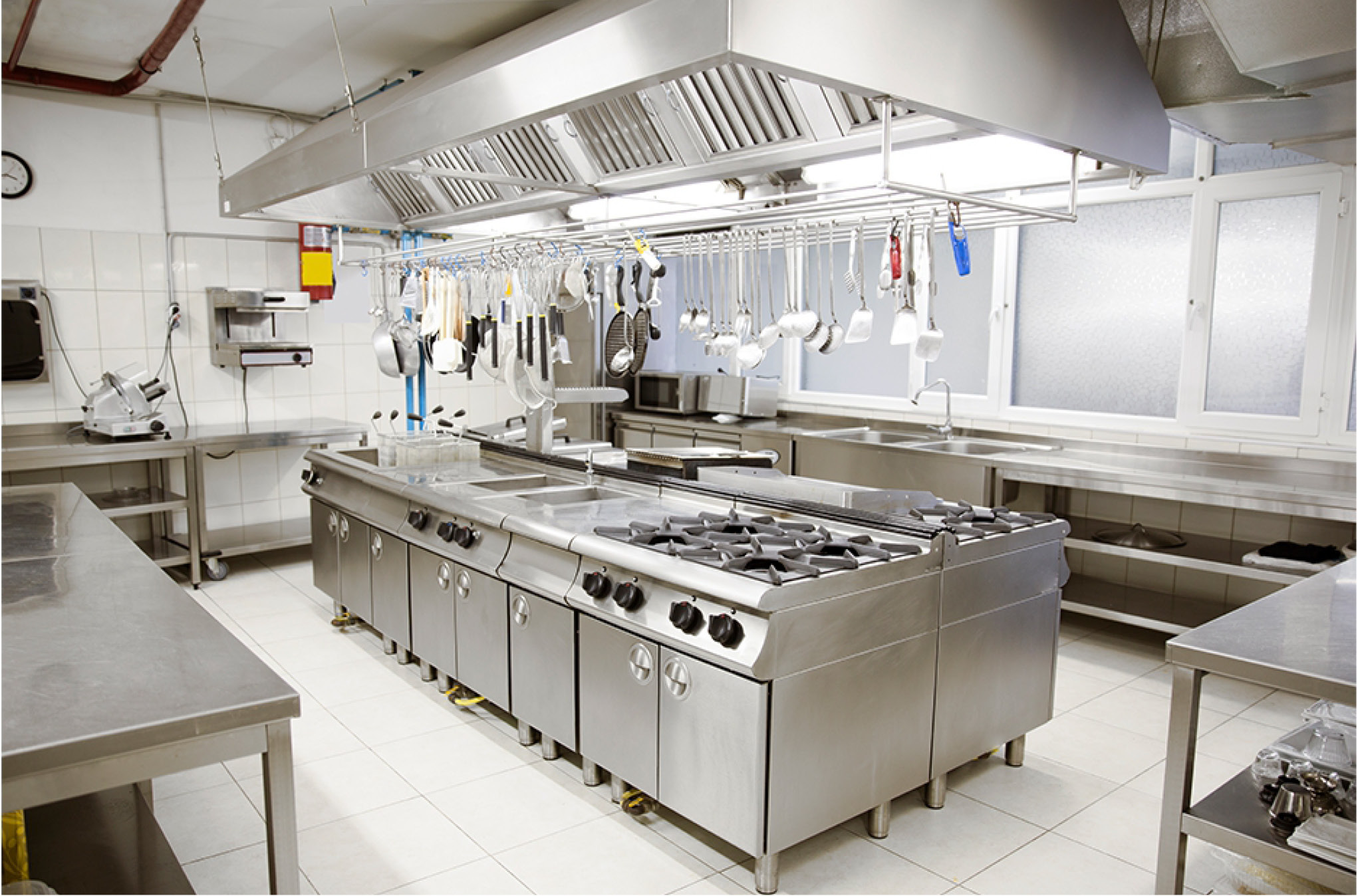
Small food businesses operate with margins that leave little room for unexpected expenses. Every dollar spent on maintenance, repair, or regulatory compliance is a dollar that could have gone toward ingredient quality, staff wages, or marketing. That is why the choice of kitchen flooring is far more significant than it might appear. Commercial kitchen epoxy flooring is one of the few infrastructure investments that consistently reduces ongoing operating costs rather than adding to them. Here is a practical look at where those savings come from and how they add up over time.
Cleaning Labor: Where the Savings Start
One of the most immediate and measurable cost reductions from epoxy flooring is the time saved on daily cleaning. Tile floors with grout lines require scrubbing, careful attention to crevices, and occasional deep cleaning treatments to stay sanitary. Epoxy floors, with their seamless surface, can be mopped clean in a fraction of the time.
For a small kitchen operation with one or two staff members responsible for cleaning, saving 20 to 30 minutes per day adds up to several hours per week. Over the course of a year, that is a meaningful reduction in labor cost. In hourly wage terms, depending on your local minimum wage and staff size, this can represent hundreds or even thousands of dollars annually in recovered productivity.
Avoiding the Hidden Costs of Cheap Flooring
The initial appeal of inexpensive flooring options is understandable for budget-conscious operators. But cheap flooring has a way of becoming very expensive over time. Tiles crack and need replacing. Grout stains and becomes a health code issue. Vinyl peels and creates tripping hazards. Each of those problems requires spending money and time to address.
A quality commercial kitchen epoxy flooring installation avoids that pattern entirely. The upfront investment covers a system that, under normal commercial kitchen conditions, requires no major repairs for a decade or more. When you factor in the cost of two or three tile replacements over that same period, the economics strongly favor epoxy.
Insurance and Liability Considerations
Commercial kitchen slip and fall incidents are a significant source of workers’ compensation claims and general liability exposure. A restaurant owner who experiences even one serious kitchen accident quickly understands why flooring safety is not a minor concern. Medical costs, legal fees, lost productivity, and increased insurance premiums all follow.
Epoxy flooring with anti-slip aggregate significantly reduces the likelihood of slip and fall accidents in wet kitchen conditions. Some insurance carriers recognize this improvement and offer favorable adjustments to premiums for businesses that demonstrate proactive safety investments. Even if your carrier does not offer a direct discount, a documented reduction in workplace incidents over time tends to have a positive effect on your policy terms at renewal.
Projecting the Five-Year Return on an Epoxy Installation
A practical financial exercise for any small food business owner considering epoxy flooring is to build a simple five-year cost comparison. On one side, place the cost of a quality epoxy installation. On the other, project the accumulated cost of maintaining or replacing a tile or vinyl floor over the same period, including cleaning labor, repair materials, contractor fees for regrouting, and any compliance-related costs.
In the vast majority of cases, epoxy wins that comparison clearly. And the calculation does not even account for the harder-to-quantify benefits like improved staff confidence, better health inspection results, and reduced operational disruptions. When all factors are considered, the investment case for epoxy is compelling for almost any food service operation.
Conclusion
For small food businesses where every cost decision matters, commercial kitchen epoxy flooring offers a rare combination of high upfront value and sustained long-term savings. It reduces cleaning labor, eliminates recurring repair costs, lowers liability exposure, and supports consistent health inspection results. That is a financial profile that any cost-conscious food entrepreneur should take seriously.
Author

Ashley@spinnakermicrowave.com
Related Posts

The Ultimate Guide to Finding Reliable Feeding Help for Your Little One
Parenting can be one of life’s most joyful experiences, but it also comes with a fair share of challenges. One of the...
Read out all
And the third perhaps you have or want to get her.
The international coffee economy invariably struggles with issues of just compensation and ecological practices. How can you even call coffee great if some...
Read out all
What a Tokyo 1 Day Tour Teaches Startup Founders About Efficient Execution
Startup culture is obsessed with constraints. Limited runway, limited headcount, limited time. The discipline of achieving significant output under tight resource limitations...
Read out all
Why Your Business Needs a Professional Neurodiversity Coach Today
In the modern corporate landscape, cognitive variety is a massive driver of innovation and creative problem-solving. Organizations that embrace different ways of thinking often...
Read out all
The Enduring Appeal of Classic Outerwear
A well-crafted jacket often defines both comfort and style in changing seasons, and few options balance these elements as effectively as a...
Read out all
A Timeless Expression of Elegance and Craftsmanship: Why Fine Writing Instruments Still Define Personal Style
In an age dominated by keyboards and touchscreens, the simple act of putting pen to paper has become something truly special. Writing by...
Read out all